Introduction:
Harbin Institute of Technology (Weihai) Sino-European Membrane Technology Research Institute was jointly initiated in October 2015 by Harbin Institute of Technology, European Membrane Society, China Association of Membrane Industry, Shandong Provincial Department of Science and Technology, and Weihai Municipal Government, and is affiliated with Harbin Institute of Technology. The institute relies on the National Engineering Research Center of Urban Water Resources Development and Utilization (Northern China) and the State Key Laboratory of Urban Water Resources and Water Environment at Harbin Institute of Technology. Academician Ma Jun from Harbin Institute of Technology serves as the director, gathering many internationally renowned experts and scholars in the field of membrane technology from the European Membrane Society, including Lidietta Giorno, Lubos Novak, Alberto Figoli, Frank Lipnizki, Mihail Barboiu, Elena Tocci, among others. Focusing on the core area of high-performance membrane preparation and its applications in water treatment, the institute conducts research in advanced membrane materials, membrane modules, membrane equipment, membrane separation processes, and integrated water treatment technologies, promoting their application in urban and rural water environment source control, water supply treatment, secondary water supply, seawater desalination, wastewater treatment, reclaimed water reuse, and comprehensive water environment management.
To date, the core technology research team has published over 300 SCI papers and obtained 124 self-developed invention patents (including 6 international patents), with more than 40 related to membrane technologies. The team has independently developed functionalized ceramic membrane products and, based on these, created modular drinking water equipment, secondary water supply systems, and backwash water recovery units, providing comprehensive solutions for rural decentralized drinking water and high-quality water supply markets. The self-developed reverse osmosis (RO) membrane product exhibits 2–3 times higher water flux than commercially available RO products and demonstrates chlorine resistance, positioning it as a future replacement for conventional RO membranes. It holds broad market potential, especially in seawater desalination, where it can significantly reduce capital and operational costs, delivering substantial economic benefits.
Comprehensive Services:
Membrane Technology Research and Application
Microfiltration / Ultrafiltration / Nanofiltration / Reverse Osmosis / Ceramic Membranes / Organic Membranes / Smart Temperature-Controlled Membranes / Molecular Sieve Membranes / Anti-Fouling Membranes / Catalytic Membranes / Functional Membranes
Water Environment Integrated Services
Municipal Water Supply / Secondary Water Supply / High-Salinity Wastewater / Municipal and Industrial Wastewater / Rural Wastewater / River Remediation
Black and Odorous Waterbody Ecosystem Restoration / Industrial Park Environmental Integrated Management / Water Resource Reclamation and Utilization / Upgrading and Retrofitting / Advanced Treatment and Reuse
Advanced Catalytic Oxidation Technology Services
Advanced Ozone Catalytic Oxidation / Photocatalytic Oxidation
Regional Ecological Restoration and Environmental Rehabilitation
Rapid Composting / Low-Carbon Agriculture / Circular Economy Technologies / Regional and Watershed Ecological Governance / Soil Remediation / Saline-Alkali Land Reclamation
Smart Water and Smart Ecology
Intelligent Pipeline Monitoring Platform / Internet of Things (IoT) / Cloud Technology and Environmental Monitoring / Big Data Service Platform for Smart Environmental Management / Collaborative Command Service Platform / Public Information Service Platform
Service Models
Municipal Water Supply and Drainage
Water Environment Remediation
Industrial Third-Party Governance
Process Package Design
Water Environment Management and Consulting
Engineering and Equipment EPC (Design, Procurement, Construction)
Automation and System Integration
Upgrading and Retrofitting
Products 1
High Concentration & High Pressure Plate Ozone Generator
Product Mode:
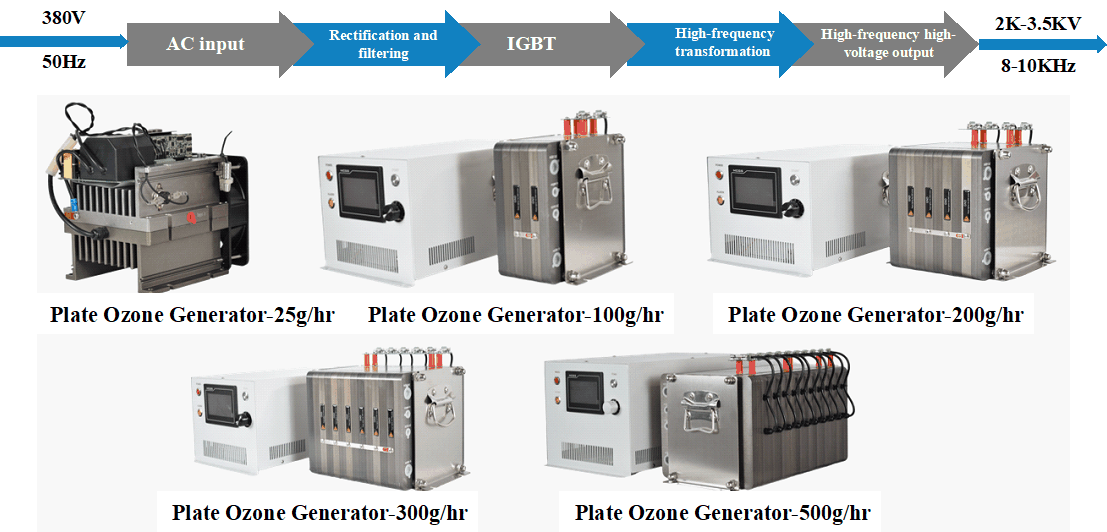
Advantages
Generates high-concentration ozone for fast reaction rates.
Ozone output is not prone to decay, ensuring long service life.
Ozone generation system withstands high pressure, offering strong penetration.
Low operating energy consumption.
Small footprint, easy for mobile operation.
Significant micro-interface nano-effects.
Generates highly oxidative hydroxyl radicals, leading to high oxidation efficiency
Displays system operation status visually and graphically in real-time.
Alarm information can be pushed to large screens, computers, and mobile phones.
Supports remote operation, maintenance, and management of equipment; facilitates equipment maintenance.
Supports report statistics and graphical analysis for important historical data.
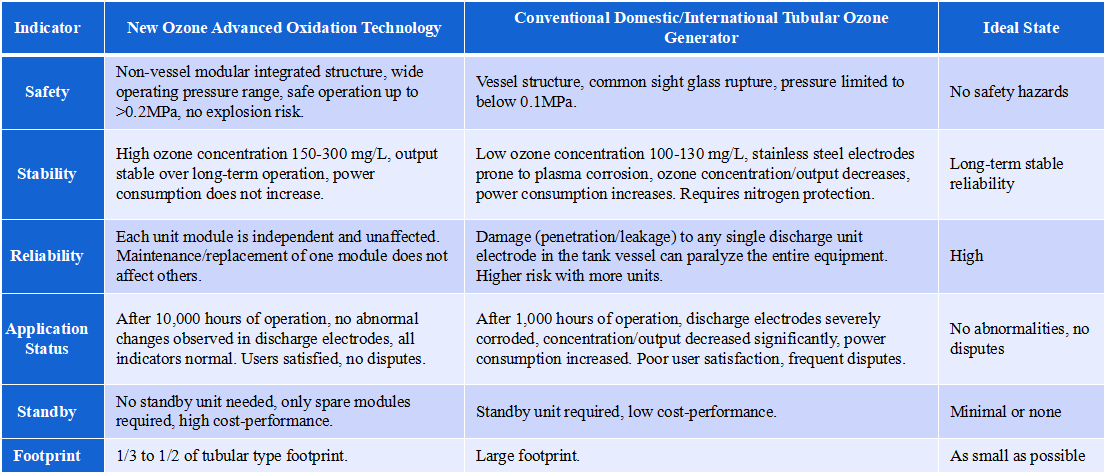
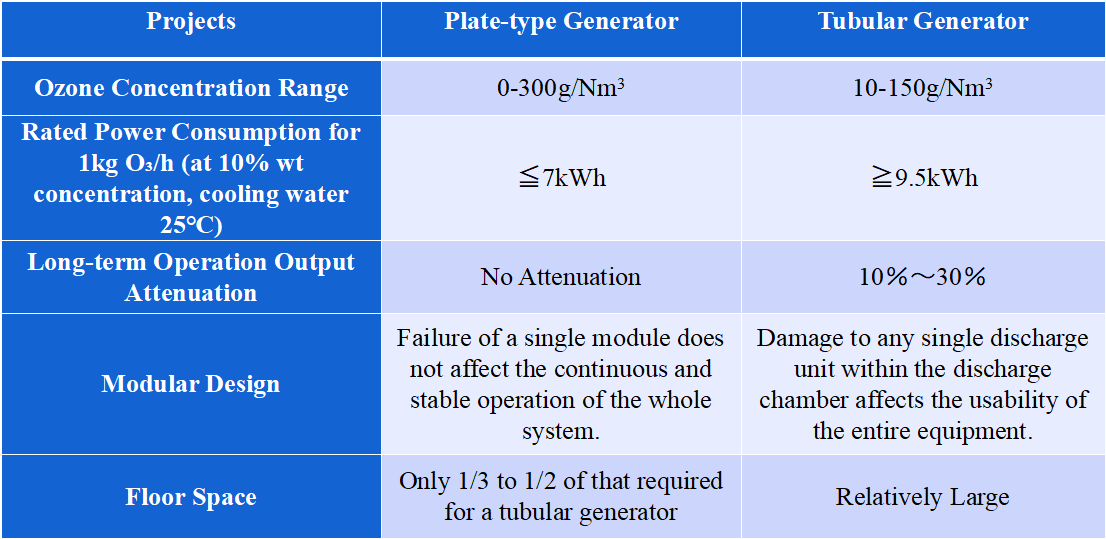
Comparison between the High Concentration & High Pressure Plate Ozone Generator and Conventional Domestic/International Tubular Ozone Generators
Application Case
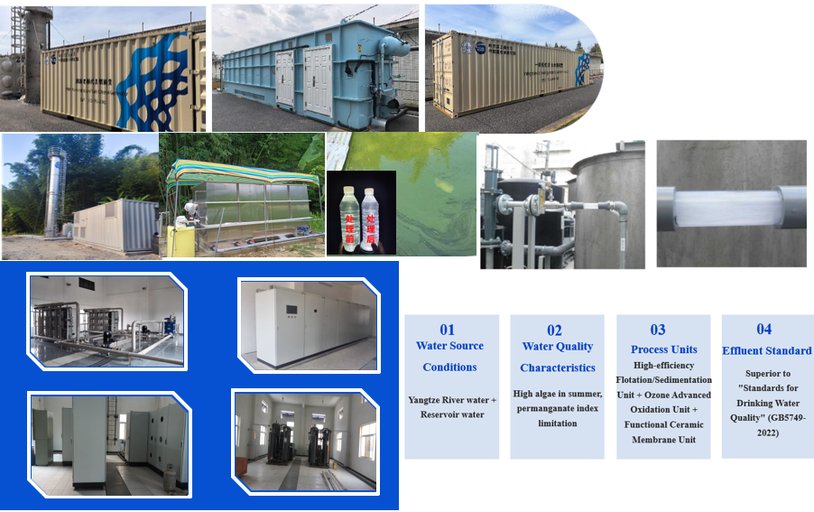
Application Case 1: Ozone Coupled with Micro-Nano Bubble Technology
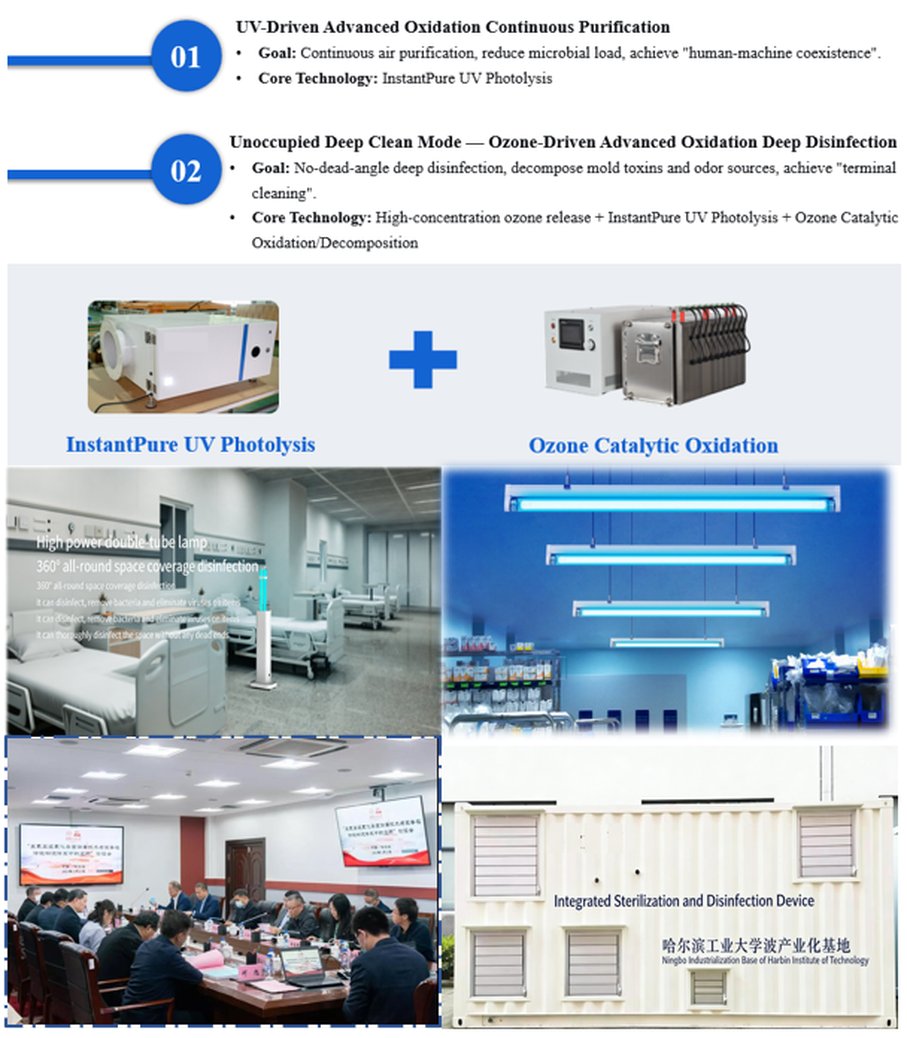
Application Case 2: UV and Ozone Dynamic Synergistic Disinfection Technology
Products 2.
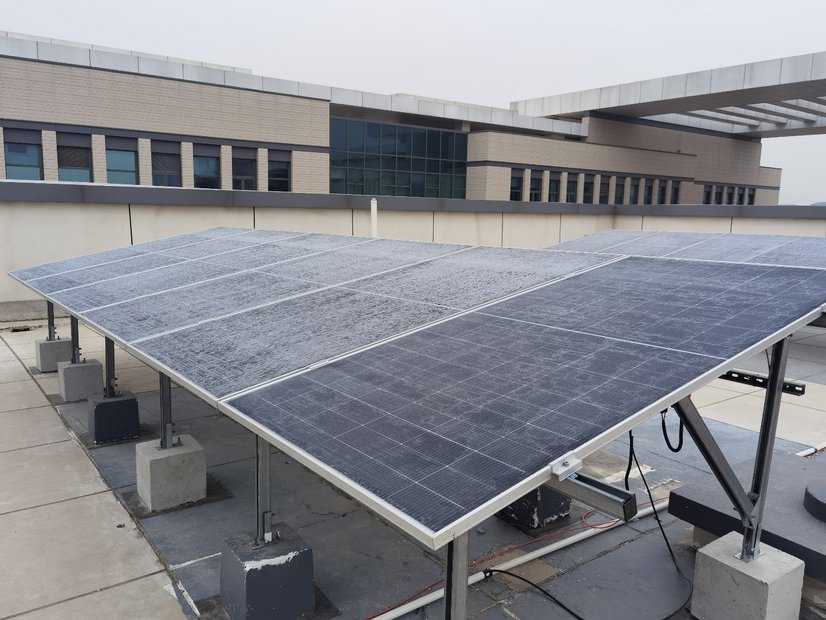
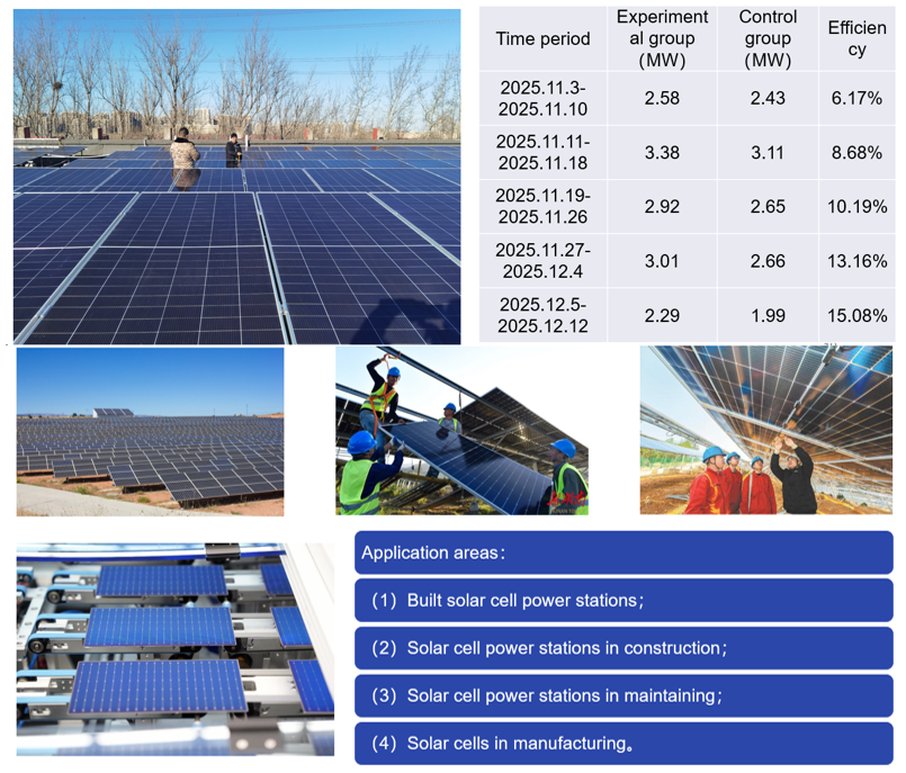
Product: Performance Enhancing Coatings for Solar Cells.
Advantages
Excellent self-cleaning properties
Excellent anti-fog and frost prevention properties.
Up to 15% increment in photovoltaic efficiency
Applications
Application Case 1: solar cells power station in Shanghai
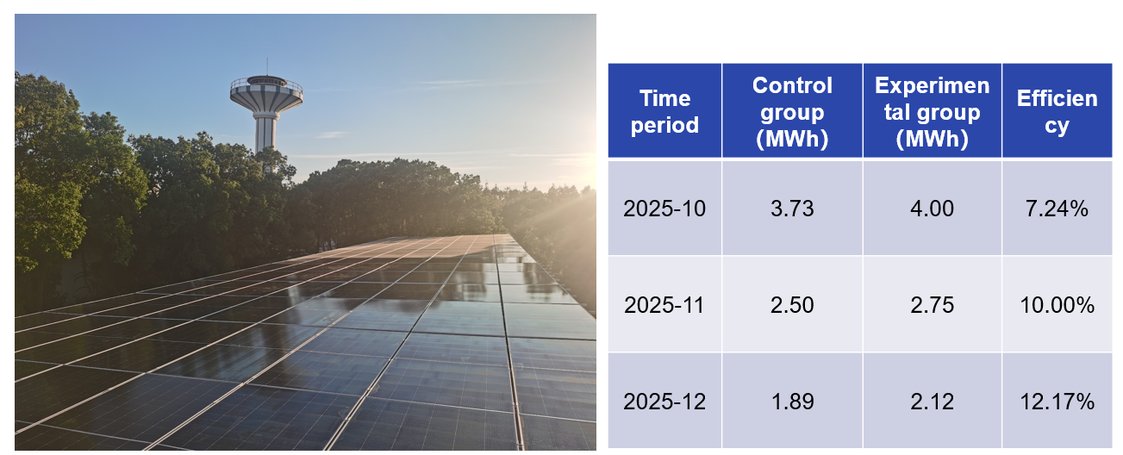
Application Case 2: Solar cell power station in Tianjin
Products 3:
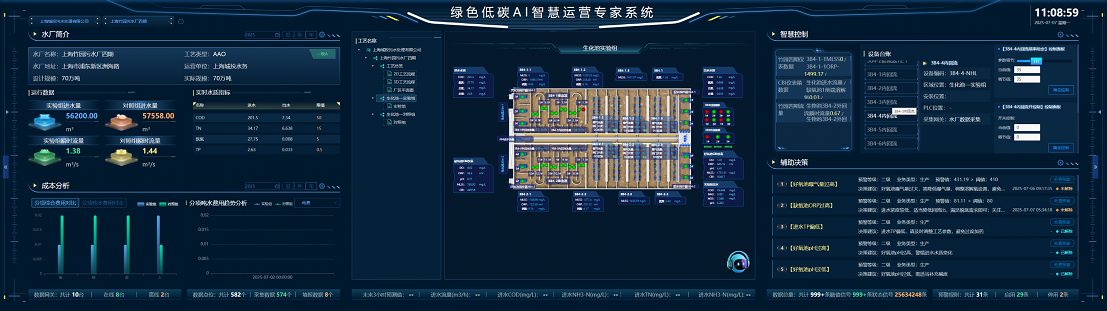
1)Product: AQUA Brain™ Intelligent Wastewater Treatment AI Expert System
2)Advantages:
Integrated expert system software and hardware intelligent platform with "AI algorithm, big data platform, device control, digital twin, data analysis"
Multi-process adaptability, energy conservation, efficiency improvement, carbon emission reduction, enhanced shock resistance, and intelligent operation.
Equipped with online detection instruments, pumps, pipelines, flow cells, equilibrium algorithm chipsets, display panels, communication modules and interfaces, outdoor waterproof instrument control boxes, and accessories.
Supporting algorithm integrates modules for bioactivity, elemental balance, and sludge balance, enabling indicator quantification, biochemical microcycle control, and dynamic regulation functions.
Excellent software system stability without abnormal shutdowns.
Excellent stability of effluent quality even under significant fluctuations in influent water quality and flow.
Water quality (CODs,TN) could be further improved.
Up to 10% reduction in residual sludge volume,10% reduction in Carbon emission and 5% reduction in electricity consumption.
3)Application Case:
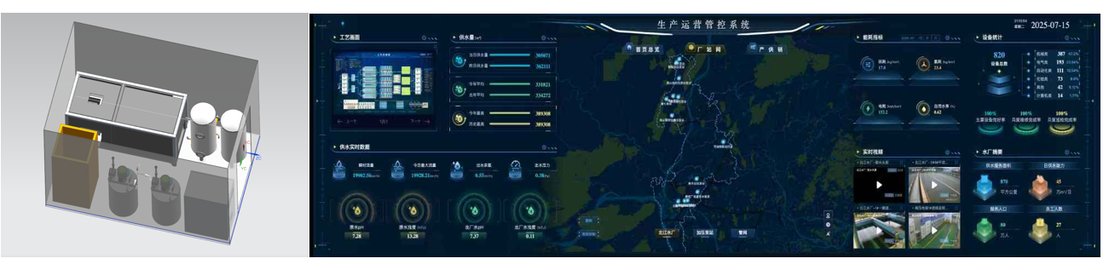
Application Case 1: A Sewage Treatment Plant in Shanghai
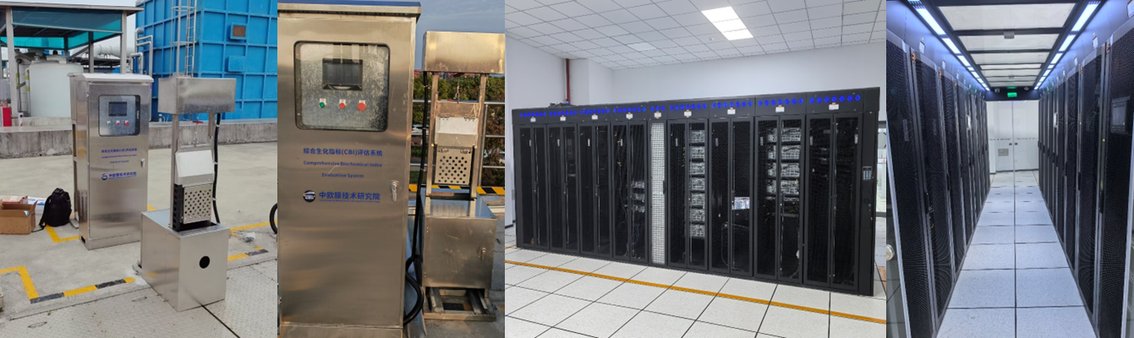
Application Case 2: A Sewage Treatment Plant in Guiyang
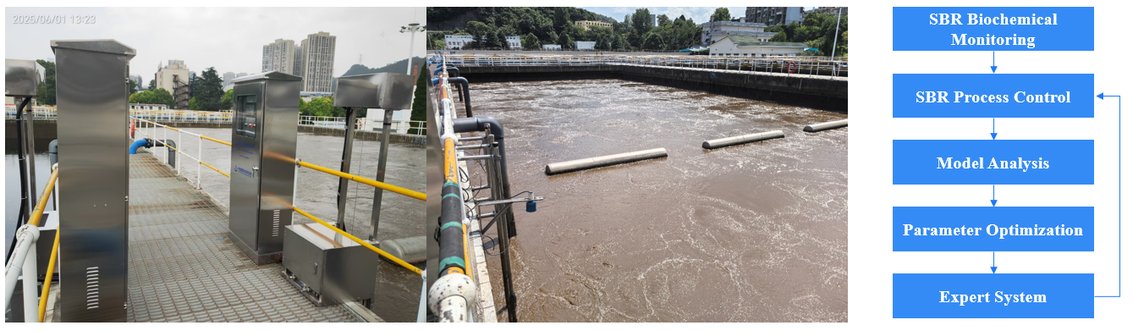
Application Case 3:AI Water–Soil Synergy Project in Guizhou
Product 4:
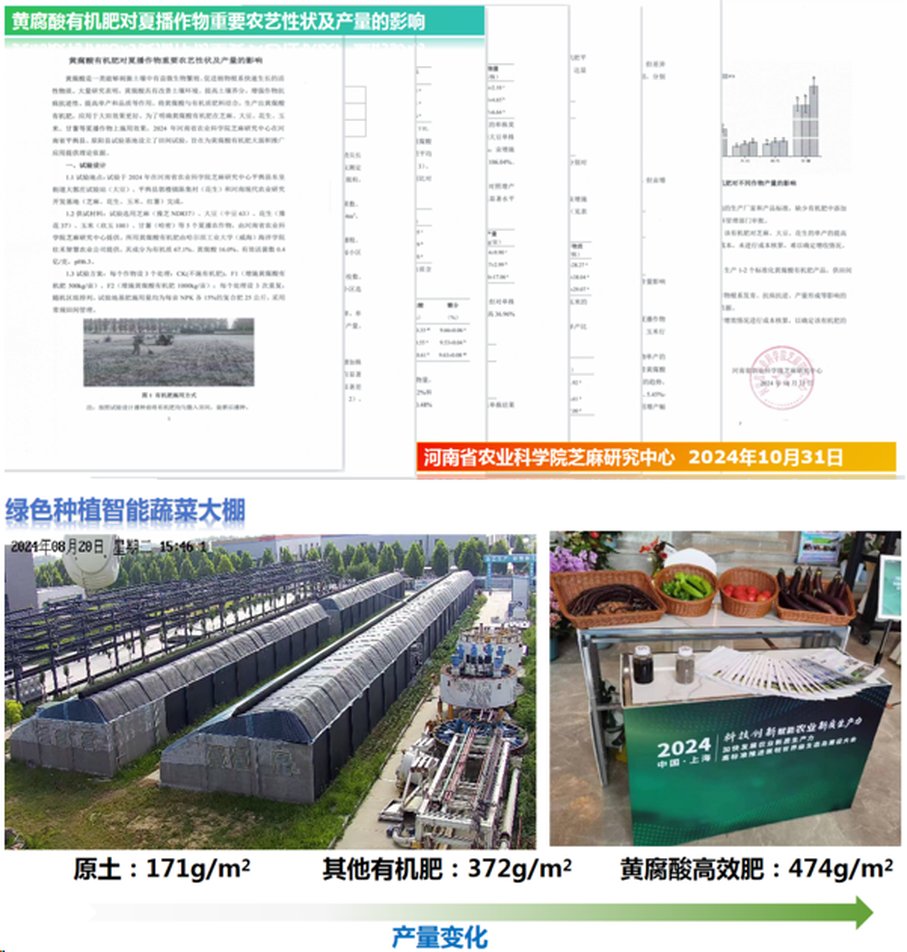
1)Product:High fulvate soil conditioner or fertilizer
2)Advantages:
Produced by municipal sludge resource recovery and solid organic waste like animal manure
Core aerobic fermentation stage were used to rapidly initiate the high-temperature fermentation stage, achieving a temperature jump from 25°C to over 60°C within 12 hours, and maintaining a high temperature period (≥55°C) for up to 72 hours.
Fulvic acid content could be generally up to 15%.
Organic matter conversion could be up to 80% within 7 days.
3)Applications Case
Application Case 1: Green Smart Vegetable Greenhouse
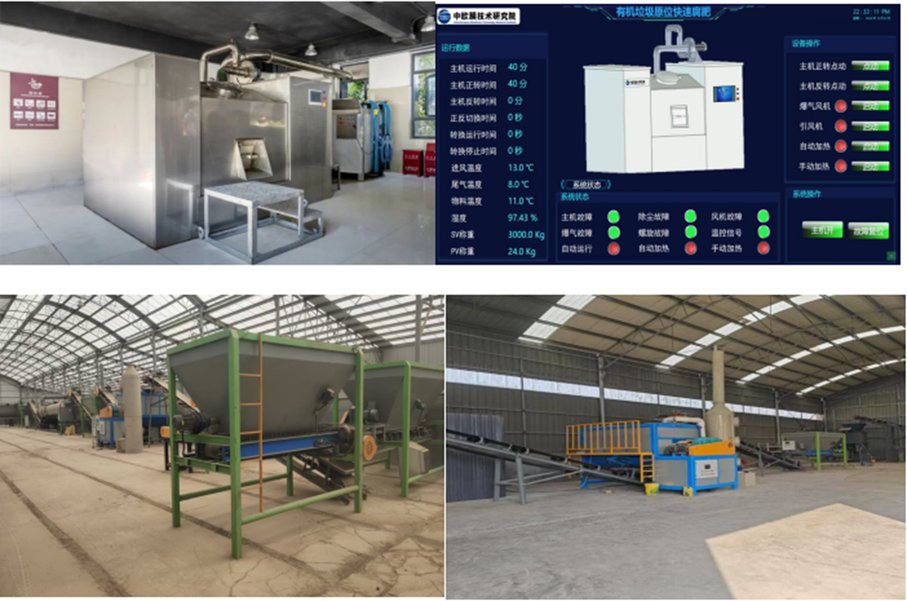
Application Case 2: Production Equipment
Product 5: Passive cooling insulation materials
1)Production type:
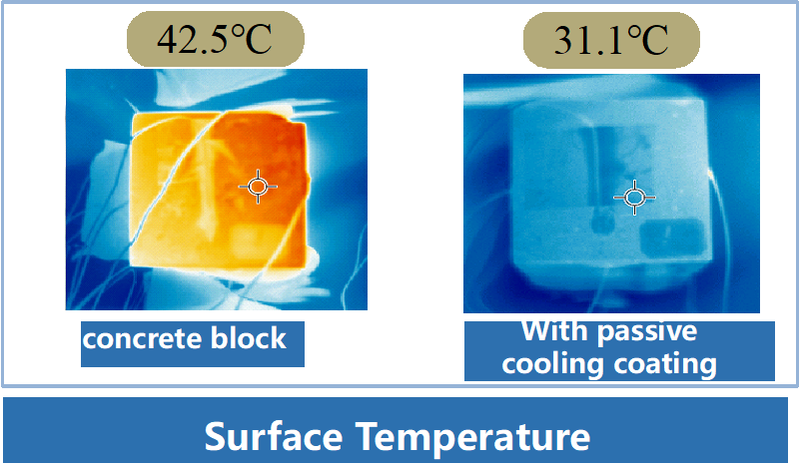
Metal, concrete, and other materials using passive cooling film
2)Features:
The coating series is easy to prepare and simple to apply
3)Passive cooling coatings for glass surfaces
Features:
Simple construction with excellent leveling properties;
High clarity and good thermal insulation performance without affecting visibility and daylighting requirements;
Strong weather resistance and no discoloration with service life of 10–20 years;
High coating surface hardness, good wear resistance, and adhesion to glass reaches level 0.
4)Passive cooling film for glass surfaces
Features:
Infrared rejection rate at 1400nm: 99%;
Infrared rejection rate at 950nm: 99%;
Utraviolet rejection rate: 99%;
Visible light transmittance: 70%
5)Advantages:
Reliable operation with consistently stable performance. The lifespan of the cool passive coating could be as long as 20~30 years and the lifespan of the passive cooling film could be at least 8 years.
Excellent anti-fouling performance with excellent hydrophobic and self-cleaning properties.
Environmentally friendly, energy-saving, and highly efficient. The surface temperature by approximately 20 °C and the glass film blocks over 99% of infrared and ultraviolet heat.
6)Application Case
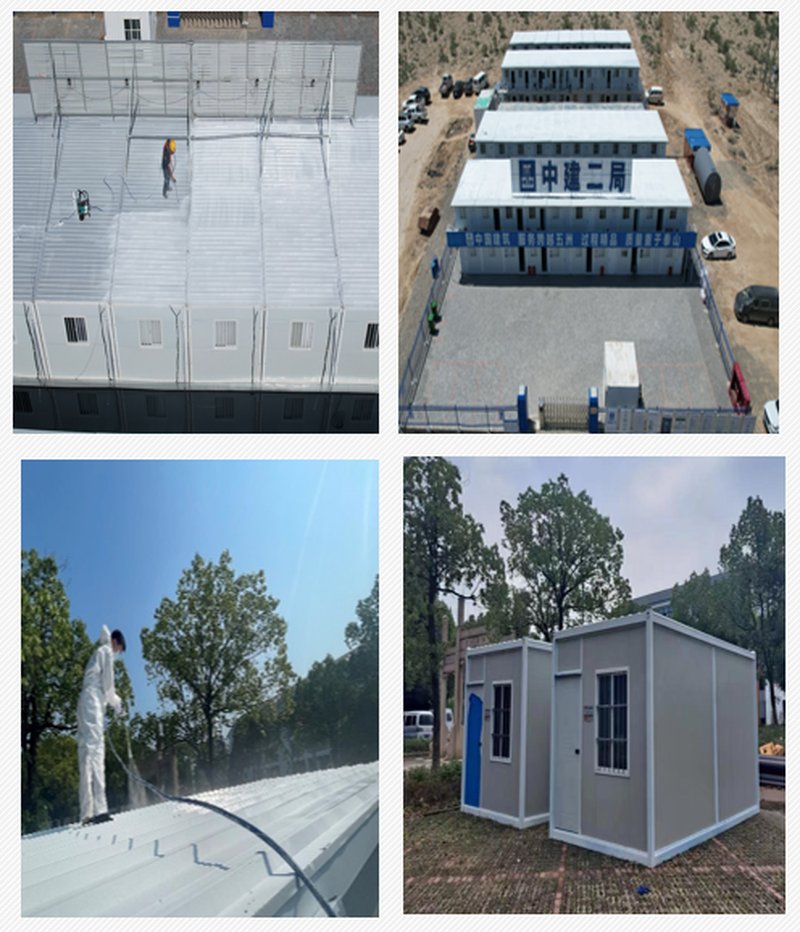
Application Case 1: Temporary building
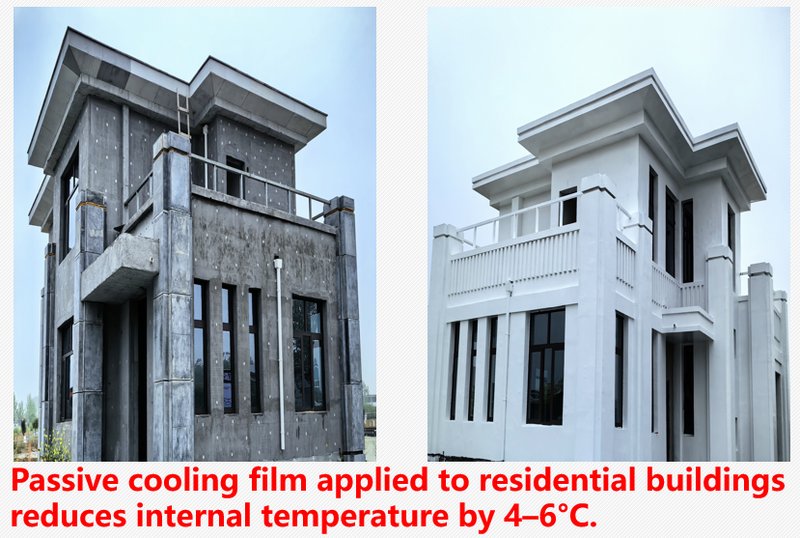
Application Case 2: Low-carbon building
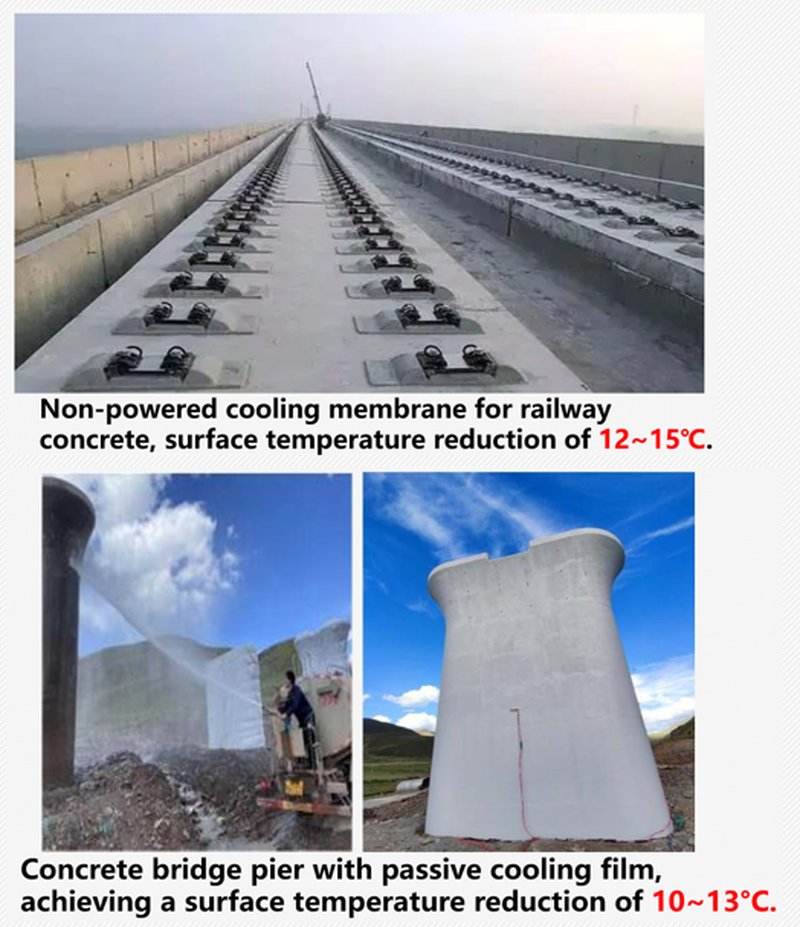
Application Case 3: Railway anvil and concrete bridge pier
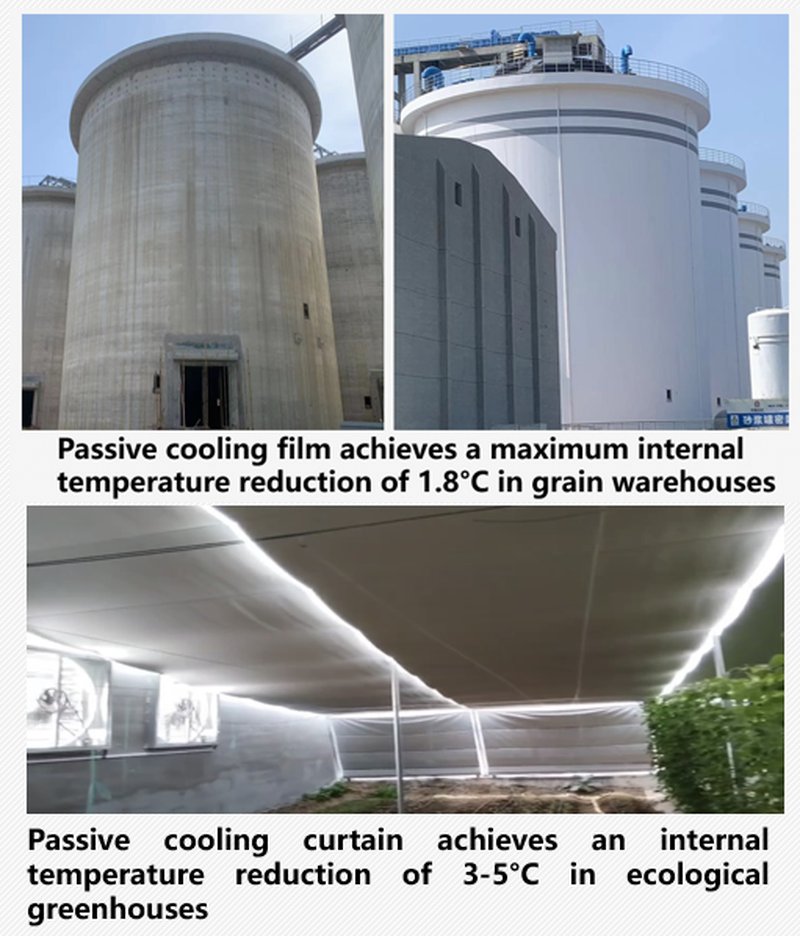
Application Case 4: Granary and Ecological Greenhouse
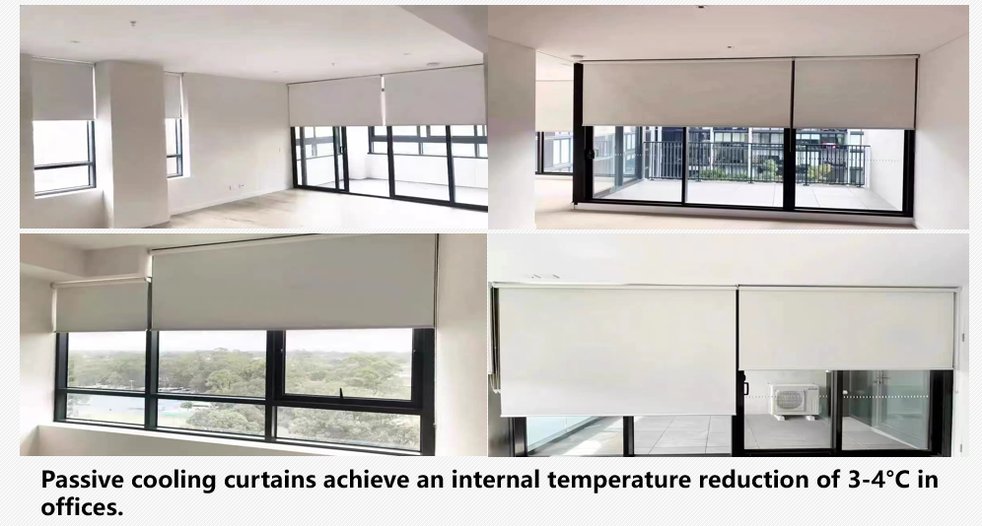
Application Case 5:Office curtains
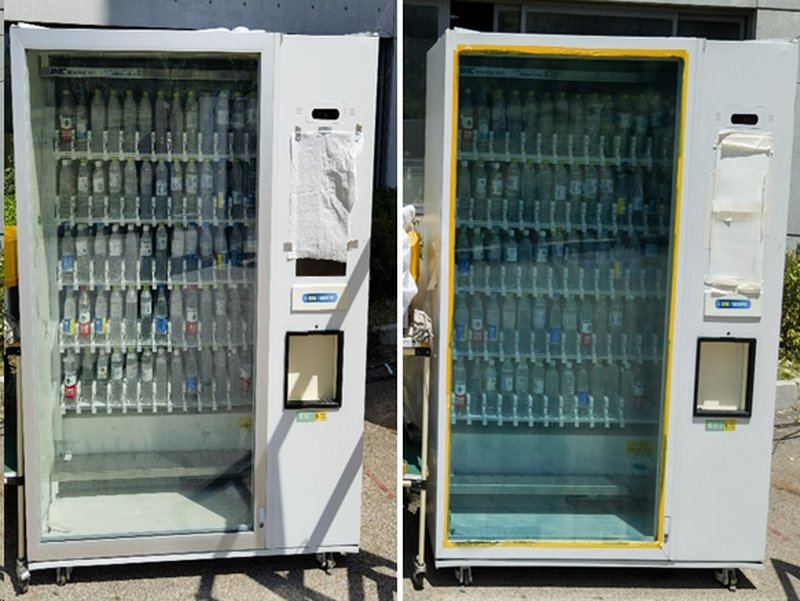
Application Case 6:The original beverage vending machine at New Beiyang Technology Park.
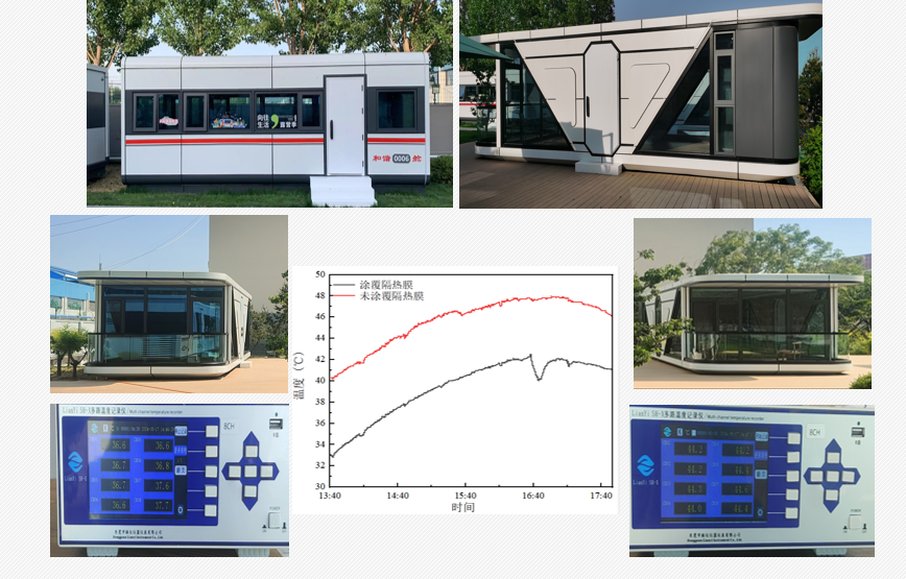
Application Case 7:Hebei Tangshan Shifeng Green Building Technology Co., Ltd. applies glass cooling film to its Starry Sky Cabins.
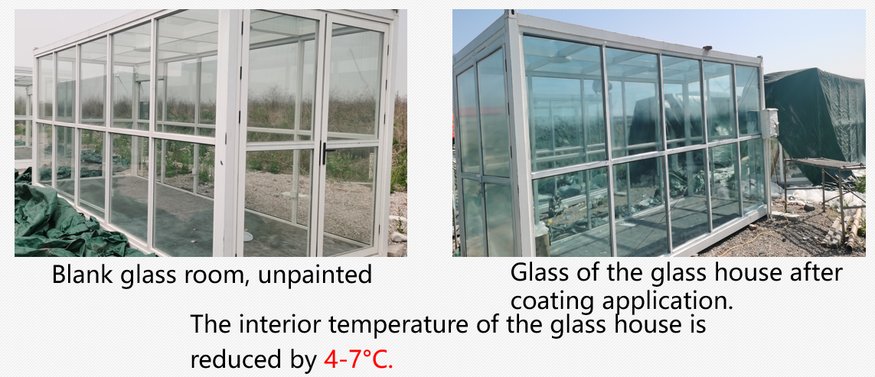
Application Case 8:Glass cooling film is applied to the glass house at Shanghai Chengtou Laogang Management Base
Application Case 9:Building 1, Shanghai G60 Songjiang-Zhong'an Science and Technology Innovation Park
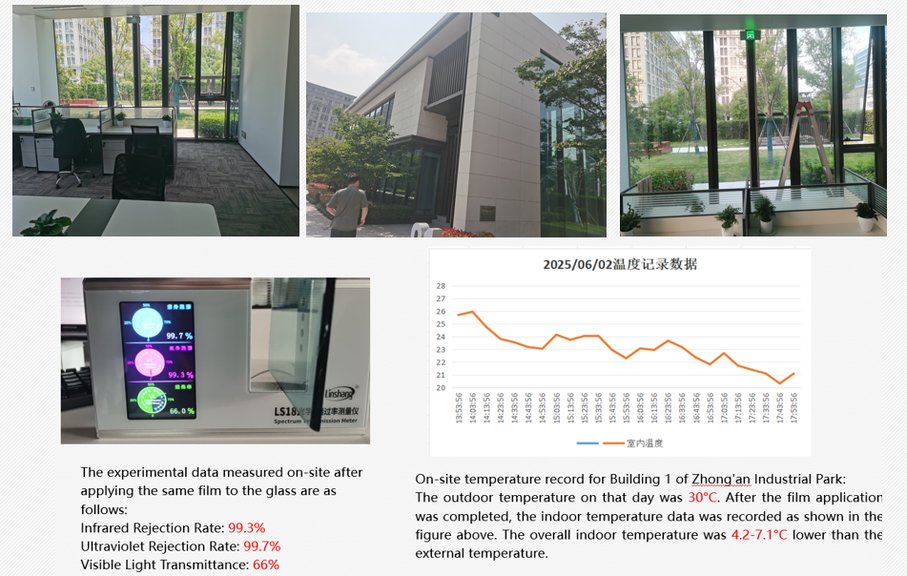
Application Case 10:Shanghai Tower
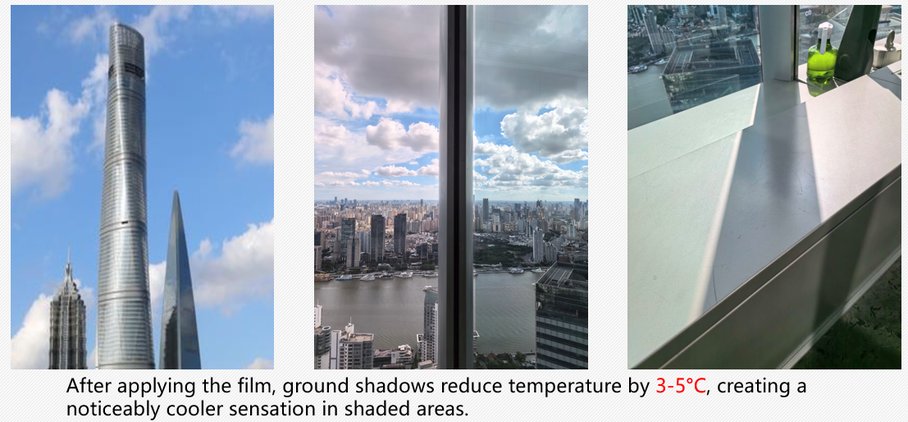
Application Case 11:Building 1 of the Water Affairs Group
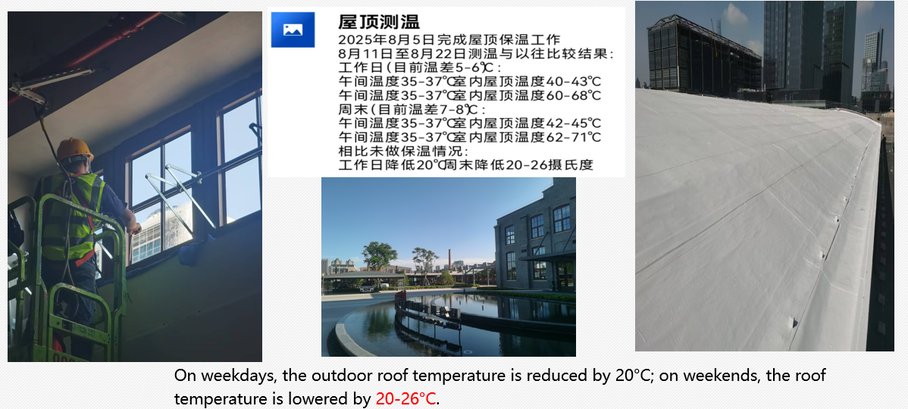
Application Case 12:UnionPay Merchant Services Co., Ltd
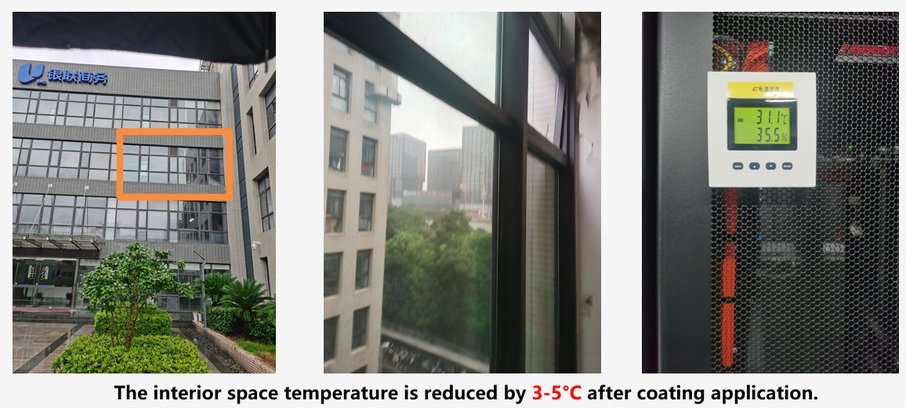
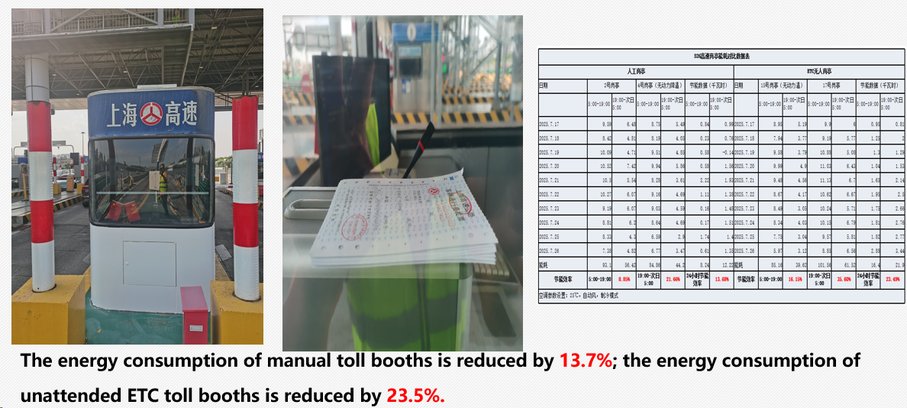
Application Case 13:Toll Booth at the Expressway Entrance
Product 7
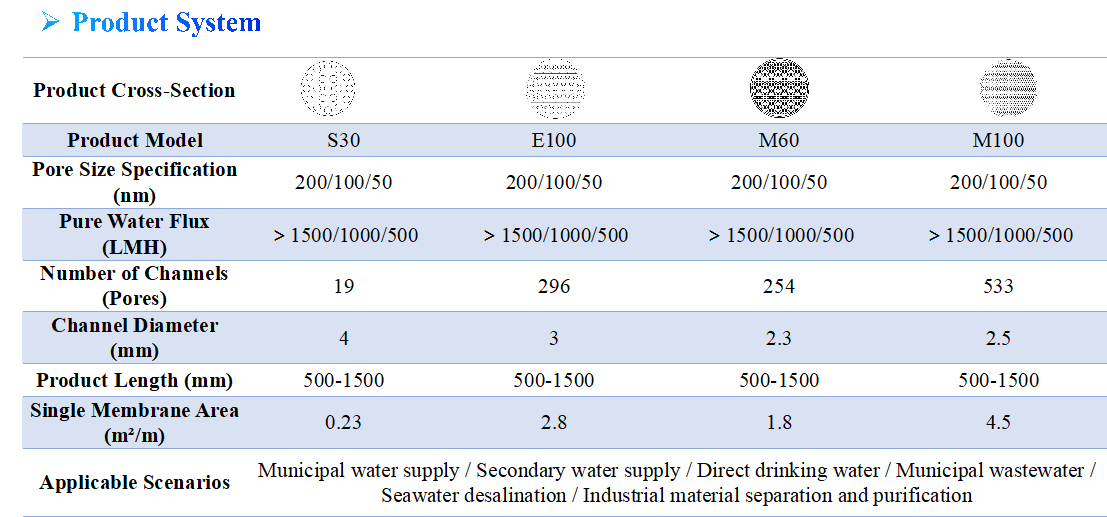
1)High-Flux Functional Ceramic Membrane

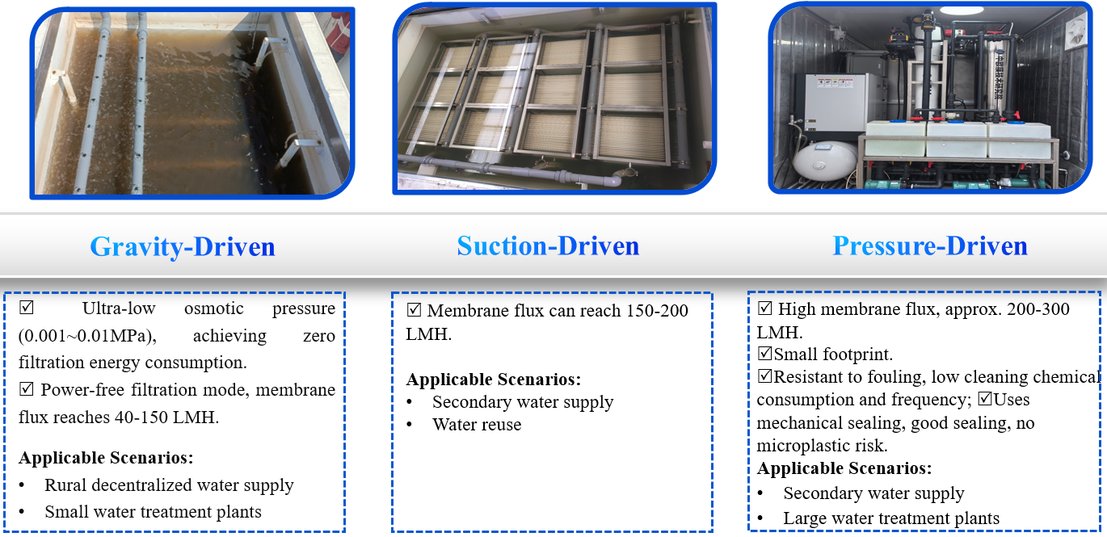
2)Operation mode:
3)Advantages:
Catalytic self-cleaning selective layer, with fouling resistance and capable of synergizing with advanced oxidation technologies
Uniform pore size distribution and high porosity, with a selective layer pore size of 100 nm and a support layer pore size of 5 μm.
High Flux and high rejection performance
Long service life (10~15 years)
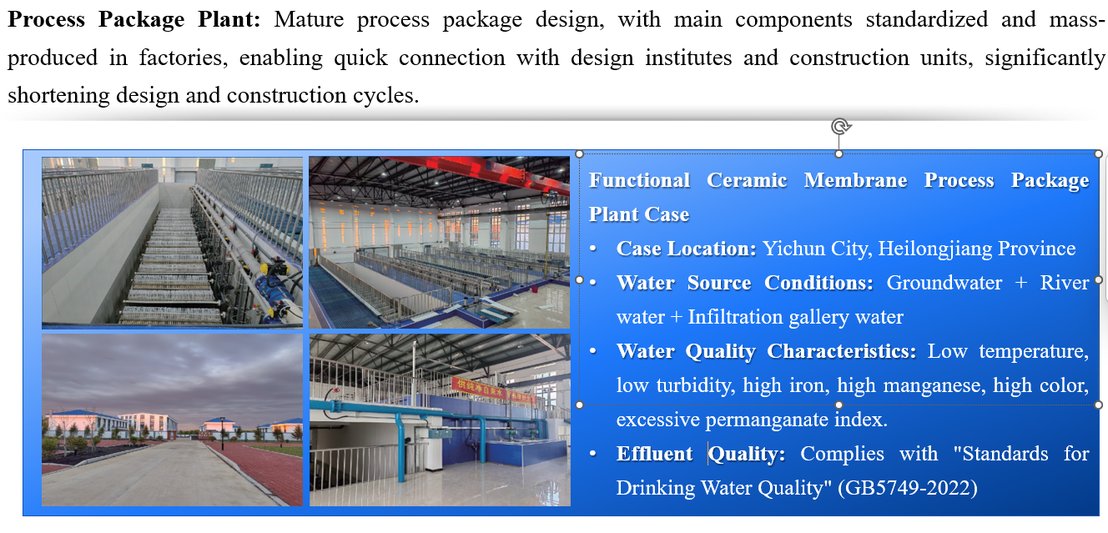
4)Application Case 1: New Water Plant Construction – Process Package Plant
Application case 2: New Water Plant Construction – Modular Plant
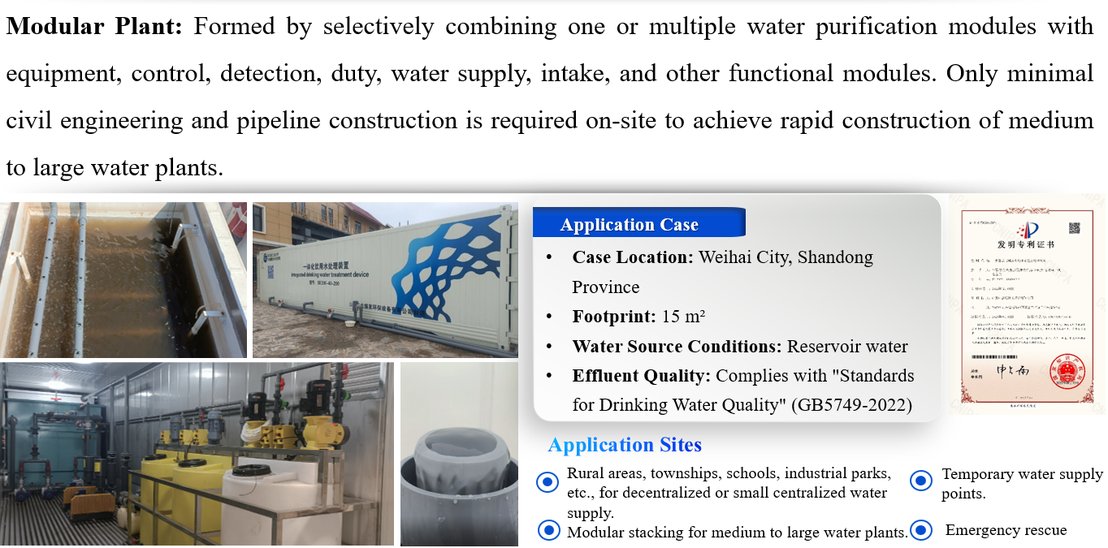
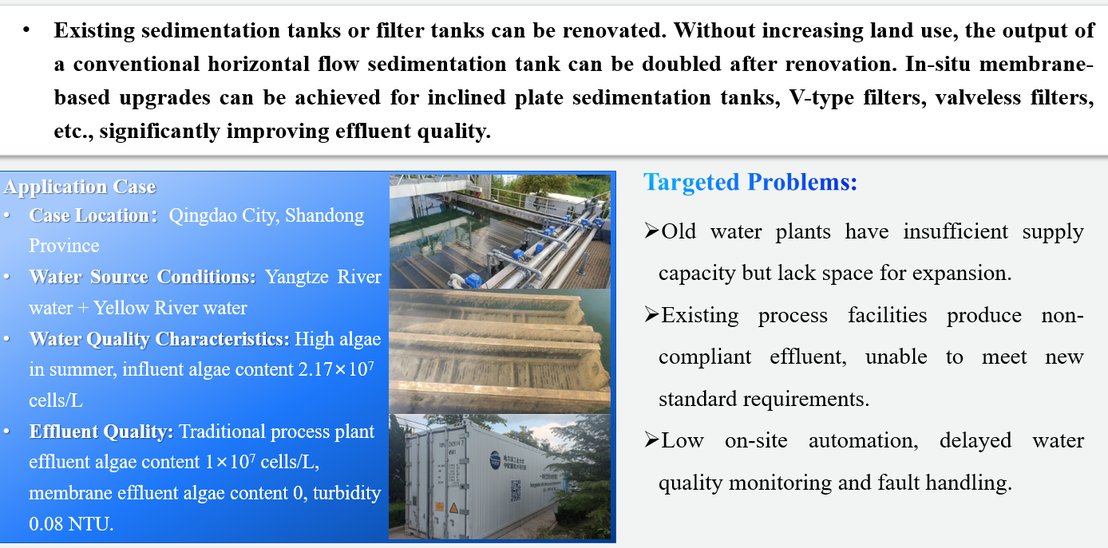
Application Case 3: Existing Water Plant Renovation and Upgrading
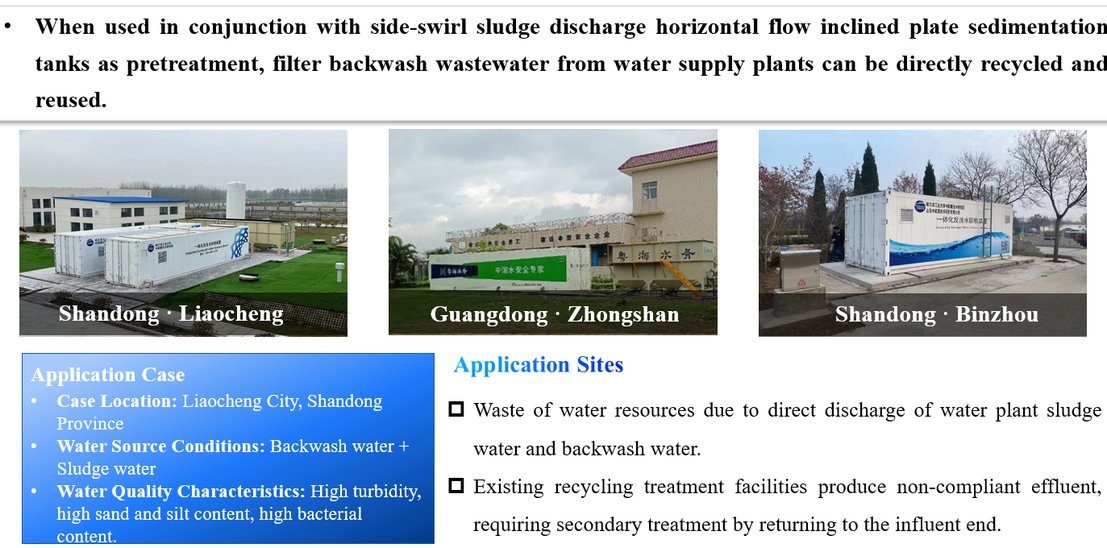
Application Case 4: Water Plant Recycle Water Reuse
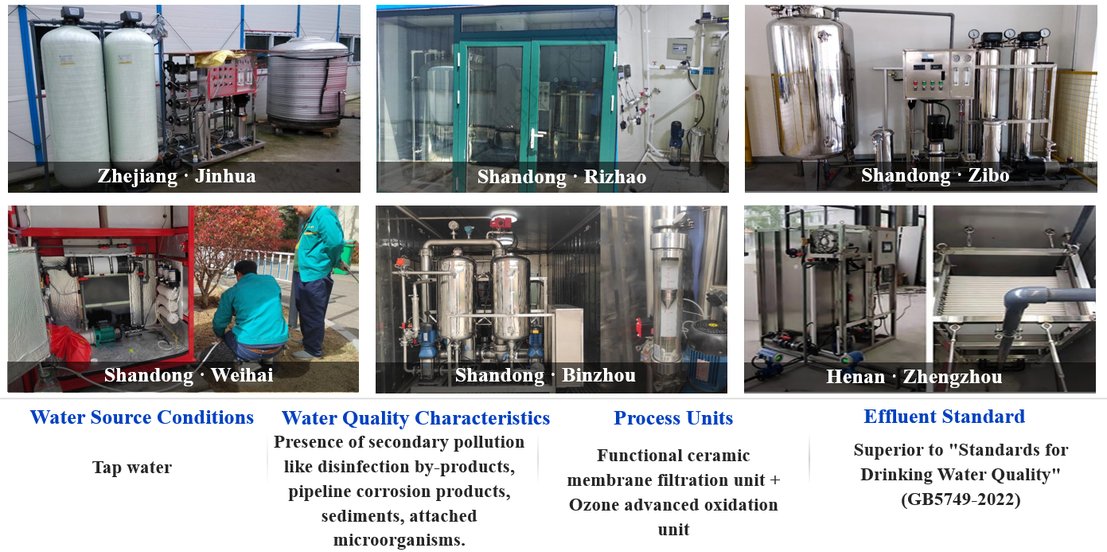
Application Case 5: High-Quality Secondary Water Supply
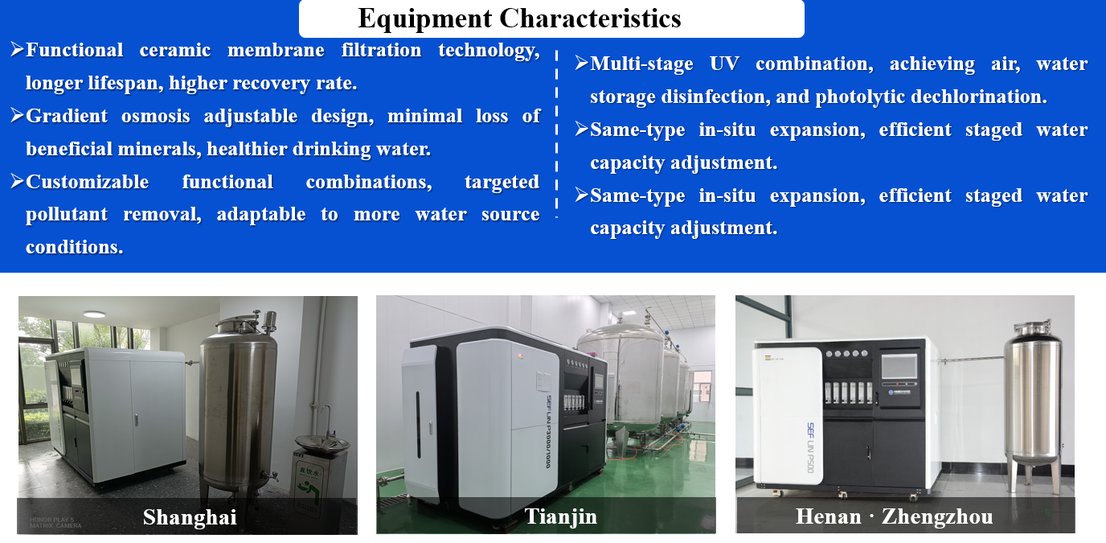
Application Case 6: Adjustable Central Drinking Water Purification Module
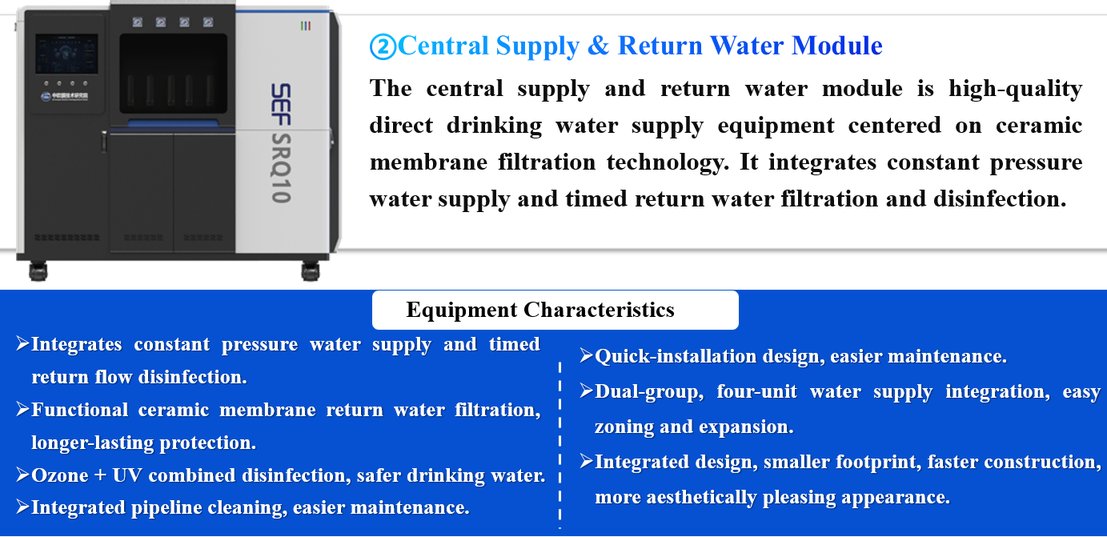
Application Case 7: Central Supply & Return Drinking Water Module
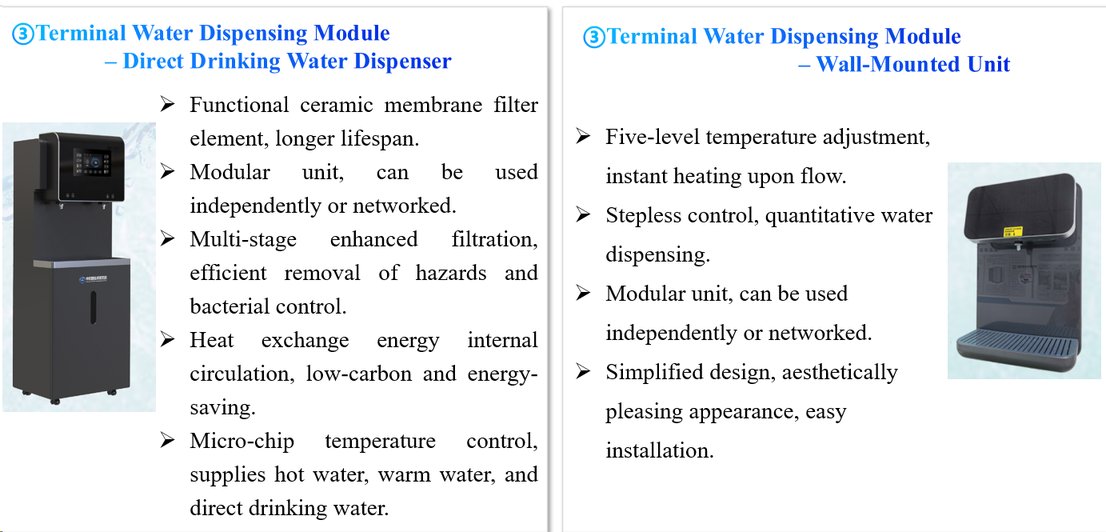
Application Case 8: Direct Drinking Water Dispenser
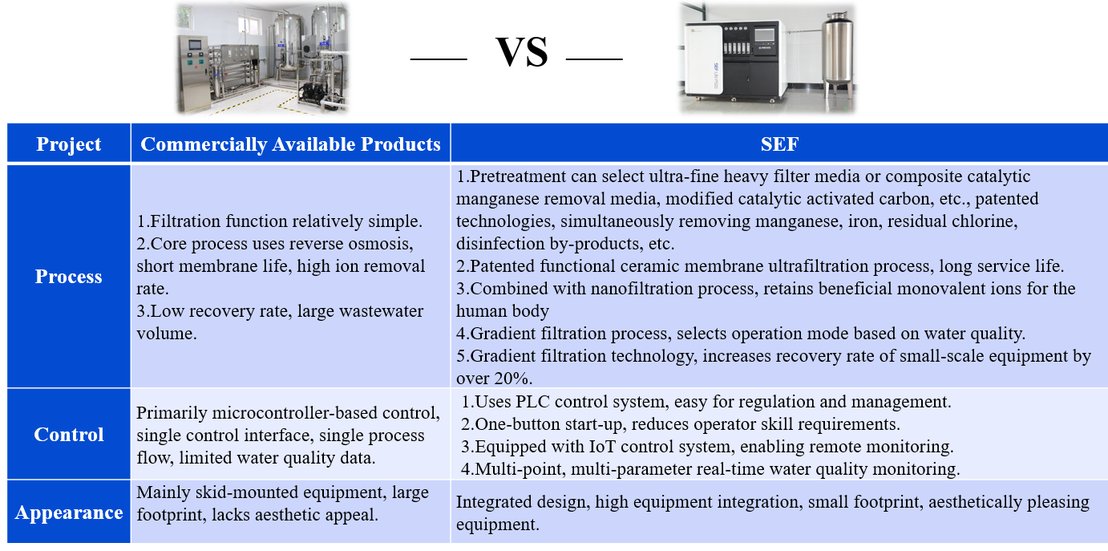
Comparison with other commercial products